
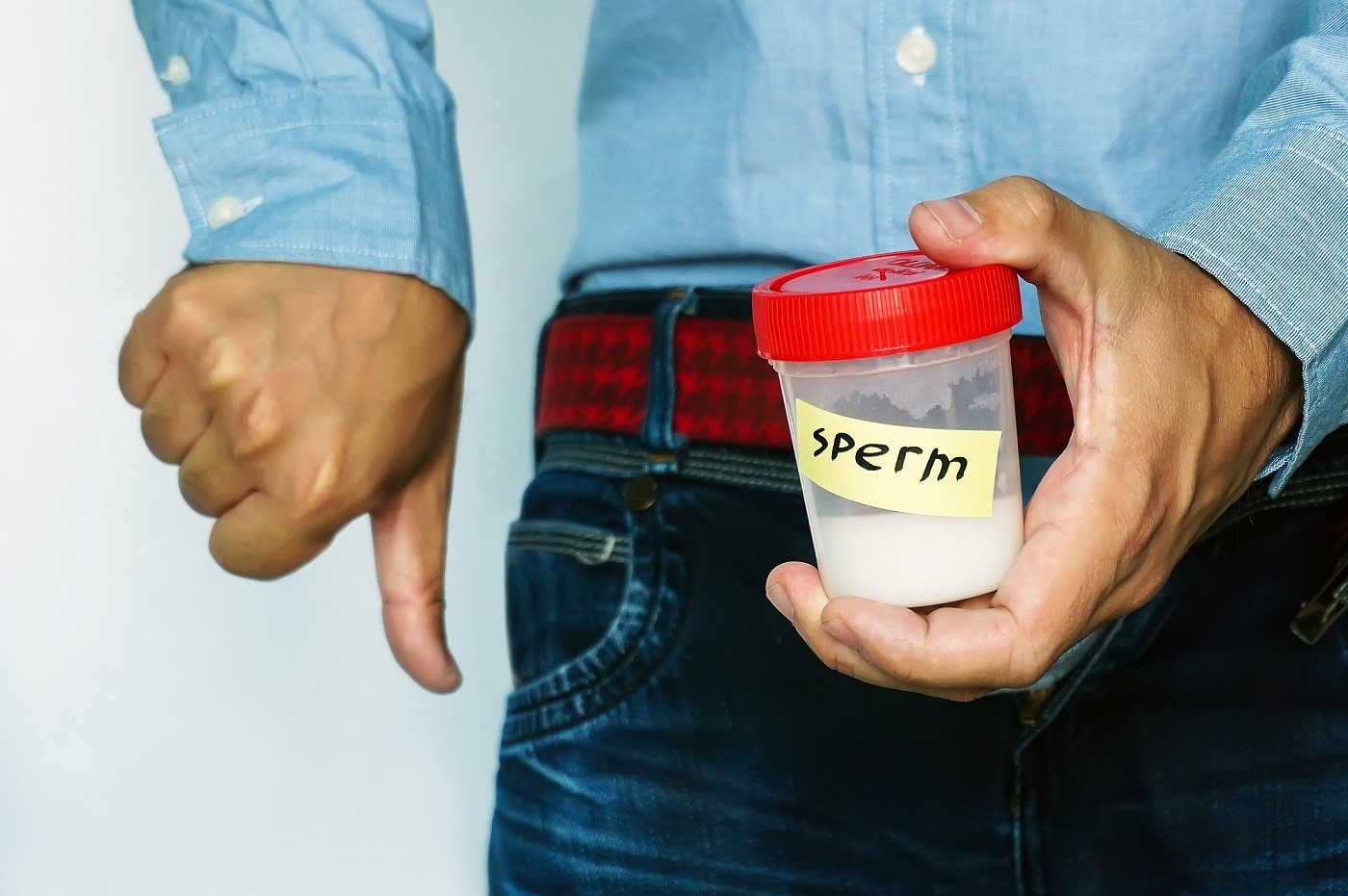
Low sperm motility is a condition in which sperm do not swim efficiently enough to reach and fertilize an egg. Since sperm must travel through the female reproductive tract to achieve fertilization, their ability to move plays an important role in natural conception.
Many people assume that a diagnosis of low sperm motility means pregnancy is no longer possible. However, that is not always the case. The impact on fertility depends on how severely sperm movement is affected and whether other fertility factors are involved.
In some cases, men with low sperm motility can still father a child naturally, especially if they have a healthy sperm count and normal sperm shape. For others, lifestyle changes, medical treatment, or assisted reproductive techniques may improve the chances of conception.
Low sperm motility can result from several factors, including certain medical conditions, unhealthy lifestyle habits, infections, hormonal imbalances, or prolonged exposure to heat and environmental toxins. Identifying the underlying cause is often the first step toward effective treatment.
In this article, we will explain what low sperm motility actually means, how it affects your chances of getting pregnant, the common causes, symptoms, treatment options, ways to improve sperm motility, and when to seek help from a fertility specialist.
What Is Sperm Motility?
Sperm motility refers to the ability of sperm to move efficiently. This movement is essential because sperm must travel through the cervix, uterus, and fallopian tubes to reach and fertilize an egg. Without adequate movement, even healthy sperm may struggle to complete this journey, reducing the chances of pregnancy.

Not all sperm move in the same way. Progressive motility describes sperm that swim forward in a straight line or large circles, making them most likely to reach the egg. Non-progressive motility refers to sperm that move but fail to make meaningful forward progress, while immotile sperm do not move at all.
Recommended: Top Antioxidants for Reducing Sperm DNA Fragmentation
Sperm motility is evaluated during a semen analysis, one of the primary tests used to assess male fertility. According to the World Health Organization (WHO), a healthy semen sample should contain at least 42% total motile sperm or at least 30% progressively motile sperm. Values below these reference ranges may indicate low sperm motility, also known as asthenozoospermia.
Although sperm motility is an important factor in fertility, it is only one part of overall sperm health. Doctors also evaluate sperm count, sperm morphology (shape), semen volume, and other factors to get a complete picture of a man’s reproductive health.
Causes of Low Sperm Motility
Low sperm motility can develop for many reasons, ranging from lifestyle habits to underlying medical conditions. In some men, more than one factor may contribute to poor sperm movement.
1. Varicocele
A varicocele is an enlargement of the veins inside the scrotum. It is one of the most common and treatable causes of male infertility. The enlarged veins can increase the temperature around the testes, affecting sperm production and reducing sperm motility.
2. Smoking
Cigarette smoking exposes the body to harmful chemicals that damage sperm cells and increase oxidative stress. Men who smoke often have lower sperm motility, reduced sperm count, and a higher percentage of abnormal sperm.
3. Excessive Alcohol Consumption
Heavy alcohol intake can interfere with hormone production, impair sperm development, and reduce sperm movement. Limiting alcohol consumption may help improve overall sperm quality.
4. Poor Diet and Nutritional Deficiencies
A diet high in processed foods and low in fruits, vegetables, healthy fats, and essential nutrients can negatively affect sperm health. Deficiencies in nutrients such as zinc, selenium, vitamin C, vitamin E, and folate may contribute to reduced sperm motility.
Recommended: How to Reduce Microplastic Exposure for Better Sperm Motility
5. Obesity
Being overweight or obese can disrupt hormone levels, increase inflammation, and raise scrotal temperature, all of which may reduce sperm motility and overall fertility.
6. Heat Exposure
The testes need to remain slightly cooler than normal body temperature for healthy sperm production. Frequent use of hot tubs, saunas, heated seats, or prolonged laptop use on the lap may increase scrotal temperature and temporarily reduce sperm motility.
7. Infections
Certain infections of the reproductive tract, including sexually transmitted infections (STIs), prostatitis, and epididymitis, can damage sperm or cause inflammation that interferes with normal sperm movement.
8. Hormonal Imbalances

Hormones such as testosterone, follicle-stimulating hormone (FSH), and luteinizing hormone (LH) regulate sperm production. Imbalances in these hormones can impair sperm development and reduce motility.
9. Genetic Conditions
Some inherited conditions affect the structure or function of sperm, making it difficult for them to swim properly. Examples include primary ciliary dyskinesia and certain chromosomal abnormalities that impair male fertility.
Recommended: How Can I Improve Sperm Motility Naturally?
10. Environmental Toxins
Long-term exposure to pesticides, industrial chemicals, heavy metals such as lead, radiation, and air pollution may damage sperm cells and decrease their ability to move effectively.
11. Certain Medications
Some medications, including chemotherapy drugs, anabolic steroids, testosterone replacement therapy, and certain medications used to treat high blood pressure or infections, may reduce sperm motility as a side effect. Men planning to conceive should discuss medication use with their healthcare provider.
12. Chronic Medical Conditions
Health conditions such as diabetes, thyroid disorders, autoimmune diseases, and kidney or liver disease can affect hormone balance, blood circulation, and sperm production, leading to poor sperm motility.
13. Stress and Lack of Sleep
Chronic stress and inadequate sleep can increase cortisol levels and disrupt reproductive hormones. Over time, these changes may negatively affect sperm production and reduce sperm motility.
14. Age
Although men remain fertile longer than women, sperm quality gradually declines with age. Older men are more likely to experience reduced sperm motility, increased DNA damage in sperm, and a longer time to achieve pregnancy.
Can You Get Pregnant With Low Sperm Motility?
Yes, it is possible to get pregnant with low sperm motility. While reduced sperm movement can make it more difficult for sperm to reach and fertilize an egg, it does not automatically mean that natural conception is impossible. Many couples achieve pregnancy despite low sperm motility, particularly when the condition is mild and no other fertility issues are present.
Recommended: How to Make Sperm Stronger for Pregnancy
The likelihood of pregnancy depends on several factors, including the severity of the motility problem, sperm count, sperm morphology (shape), and the fertility of the female partner. A man with slightly reduced sperm motility but a high sperm count may still have enough healthy, fast-moving sperm to fertilize an egg naturally.
However, when sperm motility is severely reduced, the chances of natural conception become lower because fewer sperm are able to travel through the female reproductive tract. In these cases, conception may take longer, and some couples may require fertility treatments such as intrauterine insemination (IUI), in vitro fertilization (IVF), or intracytoplasmic sperm injection (ICSI) to improve their chances of having a successful pregnancy.
If you have been trying to conceive for a year without success, or for six months if the female partner is 35 or older, it’s important for both partners to undergo a fertility evaluation. Identifying the underlying cause of low sperm motility can help determine the most appropriate treatment and improve the chances of pregnancy.
Fertility Treatments for Couples Facing Low Sperm Motility

- Timed Intercourse: Doctors may recommend having sexual intercourse during the woman’s fertile window to maximize the chances of sperm reaching the egg. This approach is often suitable for couples with mild low sperm motility.
- Intrauterine Insemination (IUI): IUI involves placing specially prepared, healthy sperm directly into the uterus during ovulation. This shortens the distance sperm need to travel, increasing the likelihood of fertilization.
- In Vitro Fertilization (IVF): During IVF, eggs are collected from the ovaries and fertilized with sperm in a laboratory. One or more healthy embryos are then transferred into the uterus to establish a pregnancy.
- Intracytoplasmic Sperm Injection (ICSI): ICSI is an advanced form of IVF in which a single healthy sperm is injected directly into an egg. It is one of the most effective treatments for severe low sperm motility and other forms of male infertility.
- Donor Sperm: If sperm motility is extremely poor or other treatments are unsuccessful, some couples may choose to use donor sperm. The donor sperm is carefully screened and can be used with IUI or IVF to achieve pregnancy.
- Surgical Sperm Retrieval: For men who have very few motile sperm in their semen or a blockage preventing sperm release, doctors may retrieve sperm directly from the testes or epididymis. The retrieved sperm is usually used with ICSI during IVF treatment.
Recommended: Best Foods to Increase Sperm Count and Motility
How Long Does It Take to Improve Sperm Motility?
Improving sperm motility is not an overnight process. It typically takes about 2 to 3 months to see noticeable changes because sperm production, known as spermatogenesis, takes approximately 64 to 74 days, followed by a few weeks for the sperm to fully mature. For this reason, doctors often recommend repeating a semen analysis around three months after starting treatment or making lifestyle changes.
The time it takes to improve sperm motility depends on the underlying cause. If poor sperm movement is linked to smoking, excessive alcohol use, poor nutrition, obesity, stress, or heat exposure, adopting healthier habits may gradually improve sperm quality over several months. When medical conditions such as infections, hormonal imbalances, or varicocele are responsible, treatment may take longer before improvements become evident.
To support healthier sperm production, maintain a balanced diet, exercise regularly, get enough sleep, manage stress, avoid smoking and recreational drugs, limit alcohol intake, and minimize exposure to excessive heat around the testes. If sperm motility remains low after several months or pregnancy has not occurred despite regular unprotected intercourse, consult a fertility specialist for further evaluation and appropriate treatment options.
Conclusion
Low sperm motility can reduce the chances of getting pregnant, but it is not the same as infertility. Many men with low sperm motility are still able to conceive naturally, while others may benefit from lifestyle changes, medical treatment, or assisted reproductive technologies. The key is identifying the underlying cause and taking the appropriate steps to improve sperm health.
If you or your partner have been trying to conceive without success, don’t ignore the possibility of male fertility factors. A timely fertility evaluation, combined with the right treatment plan, can significantly improve your chances of achieving a healthy pregnancy. With proper care and guidance, low sperm motility is often a manageable condition rather than a permanent barrier to parenthood.