
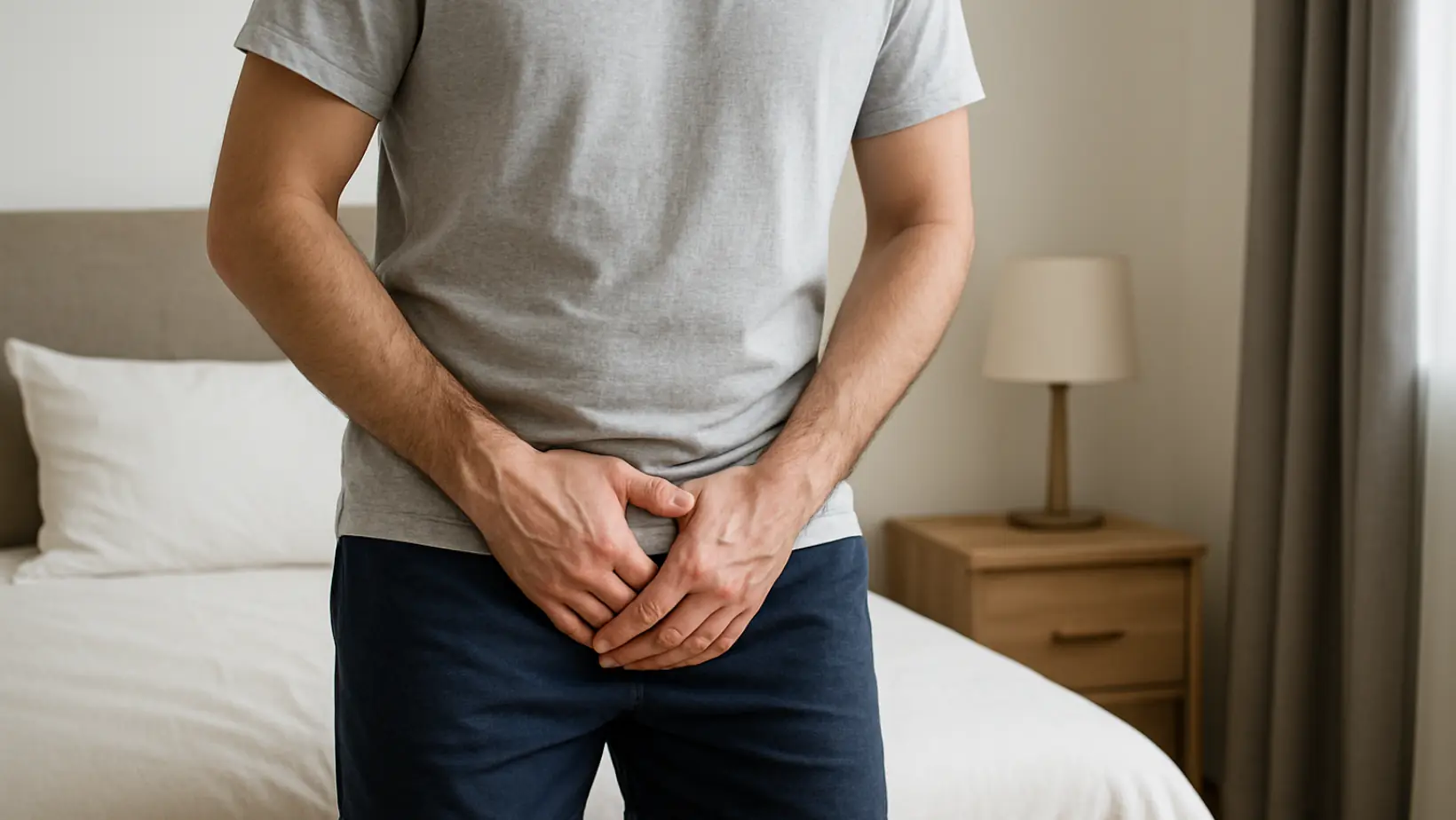
Penis tip turning blue can be a worrying experience for many men, especially when it happens suddenly or without an obvious cause. In most cases, any change in color in the genital area raises concern because it may be linked to blood flow, oxygen levels, or temporary physical pressure on the tissue.
In some situations, this color change may be temporary and harmless, especially if it is caused by cold temperatures or tight clothing. However, it can also indicate reduced blood circulation or other underlying health issues that should not be ignored. Understanding the difference between normal temporary changes and more serious conditions is very important for proper health awareness.
In this article, we will explain what it means when the penis tip turns blue, the common causes behind this condition, possible risk factors, symptoms that should not be ignored, and when it is important to seek medical attention.
What Does a “Blue Penis Tip” Actually Mean?
A blue penis tip usually means that the area is not receiving enough oxygen-rich blood, or that blood flow has been temporarily reduced. This change in color can make the skin appear bluish or purplish, depending on how much circulation is affected.
In medical terms, this can be related to a condition known as cyanosis, which occurs when blood in a particular area has lower oxygen levels than normal. When this happens, the skin may take on a darker or bluish appearance instead of its usual color.
In many cases, the condition is temporary and harmless. It can happen due to cold weather, tight clothing, or pressure on the area during sexual activity or physical movement. Once normal blood flow returns, the color usually goes back to normal without any treatment.
Recommended: Why Is My Penis Darker Than the Rest of My Body?
However, if the blue color lasts for a long time or is accompanied by pain, numbness, swelling, or discomfort, it may indicate a more serious circulation problem. In such cases, it is important to seek medical attention to rule out any underlying condition affecting blood flow.
Common Causes of a Blue or Purplish Penis Tip
A blue or purplish penis tip can happen for several reasons, most of which are related to blood flow, pressure, or temporary changes in the body. Below are the common causes explained in detail.
1. Bruising (Hematoma)
Bruising happens when small blood vessels rupture and blood collects under the skin, leading to blue, purple, or dark red discoloration.
- Warning signs include severe pain, swelling, or a popping sound (possible penile injury)
- Often caused by sexual activity, masturbation, or accidental trauma
- Can also occur from zipper injuries or pressure from tight objects
- Small bruises usually heal naturally over time
- Larger bruises may form a hematoma (blood collection under skin)
2. Cold Temperatures
Exposure to cold weather can cause blood vessels to tighten in a process called vasoconstriction. This reduces blood flow to the extremities, including the penis, leading to a temporary blue or darkened appearance. The color usually returns to normal once the body warms up.
3. Tight Clothing or External Pressure
Wearing tight underwear or trousers can restrict blood flow to the groin area. Prolonged pressure can reduce circulation and cause discoloration. This is usually reversible once the pressure is removed and blood flow returns to normal.
4. Sexual Activity or Prolonged Erection
Extended sexual activity or a long-lasting erection can sometimes affect normal blood drainage from the penis. This may cause temporary color changes due to increased pressure in the blood vessels. The color typically returns to normal after rest.
5. Minor Injury or Irritation
Small injuries, friction, or irritation from physical activity or clothing can sometimes affect local blood vessels and lead to discoloration. This is usually mild and resolves as the tissue heals, but persistent changes should be checked by a doctor.
Recommended: Why Is My Penis Head Losing Sensitivity?
Medical Conditions That May Be Linked to a Blue or Purplish Penis Tip
A blue or purplish penis tip can sometimes be linked to underlying medical conditions that affect blood flow, oxygen levels, or blood vessels. While not all cases are serious, persistent or recurring discoloration may suggest an issue that needs medical evaluation.
1. Peripheral Vascular Disease
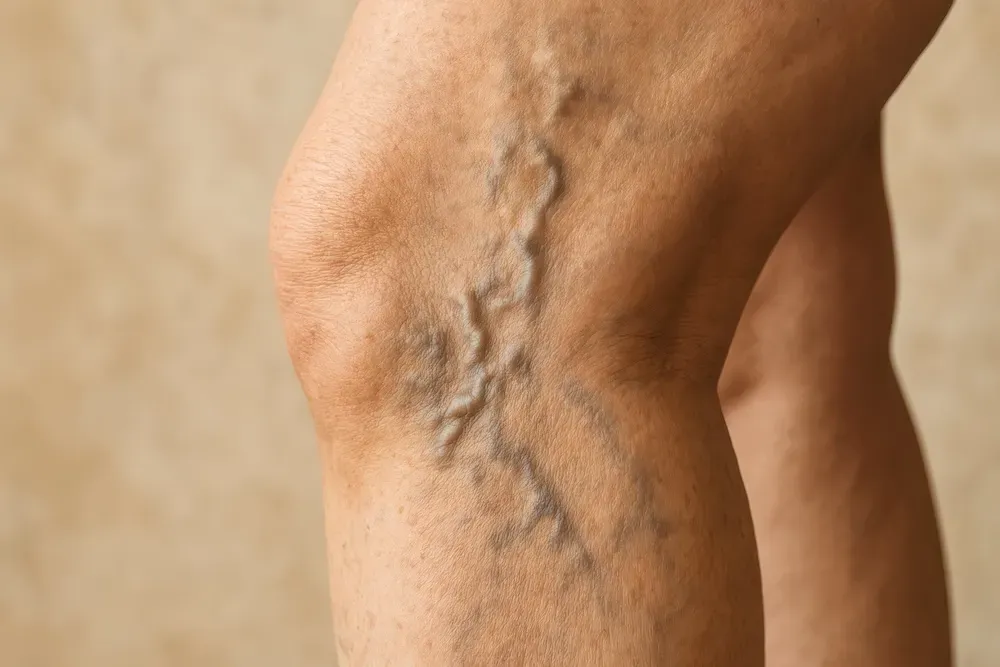
This condition occurs when blood vessels become narrowed or blocked, reducing blood flow to different parts of the body. If circulation to the genital area is affected, it may lead to a bluish or darkened appearance of the penis tip, especially during physical stress or cold exposure.
2. Cyanosis Related Conditions
Cyanosis happens when there is reduced oxygen in the blood. This can be caused by lung or heart problems that prevent proper oxygen delivery. When oxygen levels are low, the skin and mucous membranes, including the penis, may appear bluish or purplish.
3. Diabetes Related Vascular Damage
Long term diabetes can damage small blood vessels and nerves, reducing proper circulation. This can lead to changes in skin color, including in sensitive areas like the penis, especially when blood sugar is poorly controlled.
4. Peyronie’s Disease
This condition involves the formation of scar tissue inside the penis, which can affect blood flow and cause changes in shape, pain, and sometimes discoloration. Although it is more commonly associated with curvature, circulation changes may also contribute to color differences.
5. Blood Clotting Disorders or Vascular Obstruction
In rare cases, problems that affect normal blood clotting or cause partial blockage of blood vessels can reduce blood flow to the penis tip. This can result in bluish discoloration and may require urgent medical attention if symptoms are severe or painful.
Recommended: Will Losing Weight Help Improve Erectile Function?
Treatment Options Depending on the Cause
Treatment for a blue or purplish penis tip depends on the underlying cause, how severe the symptoms are, and whether there are any associated signs like pain, swelling, or numbness. In many mild cases, the condition is temporary and improves once normal blood flow is restored, but persistent symptoms may require medical care.
1. Improving Blood Circulation Through Lifestyle Changes
If poor circulation is the main cause, doctors often recommend long-term lifestyle adjustments. Regular physical activity such as walking or light exercise helps improve blood flow throughout the body. A balanced diet rich in fruits, vegetables, and healthy fats can also support vascular health. Quitting smoking is especially important because nicotine narrows blood vessels and reduces oxygen delivery to tissues.
2. Managing Cold Exposure and External Pressure
When the cause is related to cold temperatures or pressure from clothing, treatment is usually simple. Keeping the body warm helps blood vessels relax and restore normal circulation. Wearing loose, breathable underwear and avoiding tight trousers can prevent repeated restriction of blood flow. In most cases, the color returns to normal within minutes to hours after removing the trigger.
3. Treating Underlying Medical Conditions
If the discoloration is linked to conditions such as diabetes, high blood pressure, or cardiovascular disease, proper medical management is essential. This may include medications prescribed to control blood sugar or blood pressure, as well as regular checkups to monitor vascular health. Good control of these conditions reduces the risk of long-term circulation problems affecting the genital area.
4. Medications That Improve Blood Flow
In cases where circulation issues are more persistent, a doctor may prescribe medications that improve blood vessel function or increase blood flow. These drugs work by relaxing blood vessels or improving oxygen delivery to tissues. However, they should only be used under medical supervision after proper diagnosis.
5. Treatment of Injury or Localized Trauma
If the color change is due to friction, minor injury, or swelling, rest is usually the first step. Avoiding further irritation allows tissues to heal naturally. In some cases, anti-inflammatory medications may be recommended to reduce swelling and improve comfort. Severe injuries may require medical evaluation to rule out deeper tissue damage.
6. Emergency Evaluation for Serious Cases
If the blue color is persistent or accompanied by severe pain, numbness, coldness, or visible tissue damage, urgent medical attention is required. Doctors may perform imaging tests such as Doppler ultrasound to assess blood flow. In rare cases, surgical intervention may be needed to restore circulation and prevent permanent damage.
Recommended: Best Green Tea For Prostate Health
What You Can Do at Home
If you notice a blue or purplish color at the tip of the penis, there are a few safe steps you can take at home to help determine if it is temporary and support normal blood flow. However, these steps are only for mild cases and should not replace medical attention if symptoms persist or worsen.

- Remove tight clothing or pressure immediately: Loosen any tight underwear or trousers as soon as possible. Pressure on the groin area can restrict blood flow, and removing it often allows circulation to return to normal quickly.
- Warm the body if cold is a factor: If the discoloration happened after exposure to cold, gently warming the body can help. You can use warm clothing or sit in a warm environment. Avoid direct heat sources on the genital area, as this can cause irritation.
- Rest and avoid further physical strain: Give your body time to recover by avoiding sexual activity or any physical activity that may increase pressure in the area. Resting helps blood vessels relax and improves circulation.
- Observe the changes carefully: Monitor the color over time. If it improves within a short period, it is more likely to be temporary. However, if the discoloration remains or worsens, it may indicate an underlying issue.
- Stay hydrated and maintain good general health: Drinking enough water and maintaining overall health can support proper blood circulation. Avoid smoking or substances that can further reduce blood flow.
Prevention Tips for Penile Health
Maintaining good penile health is important for preventing problems such as discoloration, poor circulation, and discomfort. Many issues that affect the penis tip, including a blue or purplish appearance, can often be reduced by following healthy daily habits.
- Maintain good blood circulation: Regular exercise such as walking, jogging, or light workouts helps improve overall blood flow in the body, including the genital area. Good circulation ensures that oxygen-rich blood reaches the tissues properly, reducing the risk of color changes.
- Avoid tight clothing: Wearing very tight underwear or trousers can restrict blood flow over time. Choosing loose, breathable cotton underwear allows proper airflow and reduces unnecessary pressure on the groin area.
- Stop smoking and limit harmful substances: Smoking narrows blood vessels and reduces oxygen supply to tissues. Over time, this can contribute to poor circulation and increase the risk of discoloration. Avoiding smoking and other harmful substances helps maintain healthy blood vessels.
- Manage underlying health conditions: Conditions like diabetes, high blood pressure, and heart disease can affect circulation. Properly managing these conditions with medication, diet, and regular checkups helps reduce complications that may affect penile health.
- Practice safe sexual habits: Avoid excessive friction or prolonged pressure during sexual activity. Using lubrication when needed and allowing rest between activities can help prevent irritation and temporary blood flow changes.
- Stay warm in cold conditions: Cold temperatures can cause blood vessels to tighten, reducing blood flow. Keeping the body warm, especially during cold weather, helps maintain normal circulation and prevents temporary color changes.
- Maintain good hygiene: Keeping the genital area clean and dry helps prevent infections and irritation. Good hygiene supports overall skin health and reduces the risk of complications that may affect appearance or comfort.
Conclusion
A blue or purplish penis tip can be alarming, but in many cases it is caused by temporary factors such as cold exposure, tight clothing, or short-term pressure that affects blood flow. These situations usually resolve on their own once normal circulation returns.
However, when the discoloration persists or is accompanied by symptoms like pain, numbness, swelling, or discomfort, it may indicate an underlying medical condition that needs attention. Issues related to circulation, blood vessels, or chronic diseases like diabetes should not be ignored.
Understanding the possible causes, recognizing the risk factors, and knowing when to seek medical help are important steps in protecting penile health. Early attention and proper care can prevent complications and ensure long-term well-being.