
Postpartum recovery can be both a delicate and challenging phase for many new mothers as the body gradually adjusts after pregnancy and childbirth. During this period, women often experience changes in posture, abdominal weakness, back pain, and pelvic discomfort that can make daily activities more difficult than expected. Because of these physical demands, many mothers begin to look for practical ways to support their bodies while healing and regaining strength.
One of the commonly recommended solutions is the use of a pregnancy support belt, which is designed to provide gentle compression and stability to the lower back and abdominal area. It helps reduce strain, improve posture, and offer comfort during movement, especially in the later stages of pregnancy and sometimes even after delivery. However, choosing the right type and using it correctly is very important for safety and effectiveness.
In this article, we will explore what a pregnancy support belt is, how it works, its benefits, the different types available, and how to choose the best one for your needs, along with important usage tips.
What is a Pregnancy Support Belt?
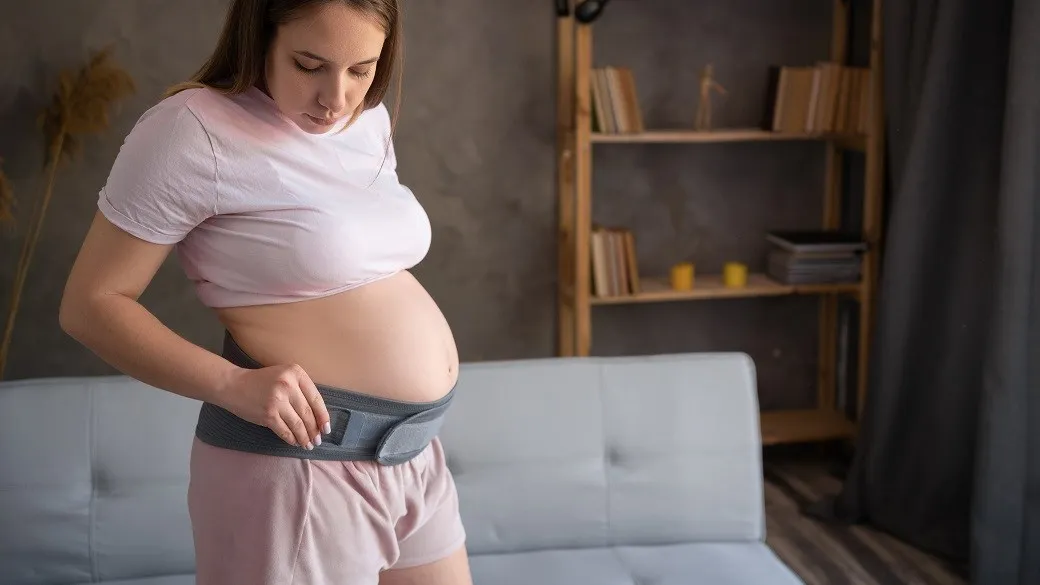
A pregnancy support belt is a specially designed elastic or adjustable band worn around the lower abdomen and back during pregnancy to provide extra support to the growing belly. As the baby grows, the added weight can place pressure on the spine, hips, and pelvic muscles, often leading to discomfort, poor posture, and lower back pain.
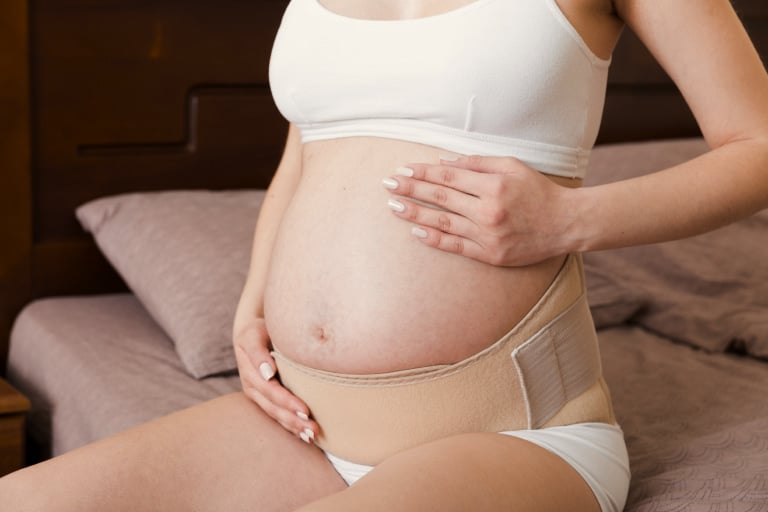
The support belt works by gently lifting the abdomen and redistributing the weight more evenly across the hips and lower back. This helps reduce strain on muscles and ligaments, improves posture, and makes daily movements such as walking, standing, or exercising more comfortable.
Recommended: Benefits of Belly Binding After Birth
Pregnancy support belts are commonly used during the second and third trimesters when the body experiences more physical stress. They are adjustable to accommodate the growing belly and are typically made from breathable, flexible materials to ensure comfort throughout the day.
How Pregnancy Support Belts Work
Pregnancy support belts are designed to make pregnancy more comfortable by reducing strain on the body as the baby grows. They provide external support that helps ease pain, improve posture, and make movement less tiring. Below is a simple explanation of how they work.
- Supports the growing belly: Pregnancy support belts work by gently lifting and supporting the abdomen as the baby grows. This helps reduce the downward pressure that the extra weight places on the lower back and pelvis.
- Redistributes body weight: They help spread the weight of the pregnancy more evenly across the hips and lower back. This reduces strain on specific muscles and joints, making movement feel easier and less painful.
- Reduces pressure on muscles and ligaments: The belt helps ease tension on the abdominal muscles and round ligaments, which stretch during pregnancy. This can reduce sharp pains and general discomfort, especially when walking or changing positions.
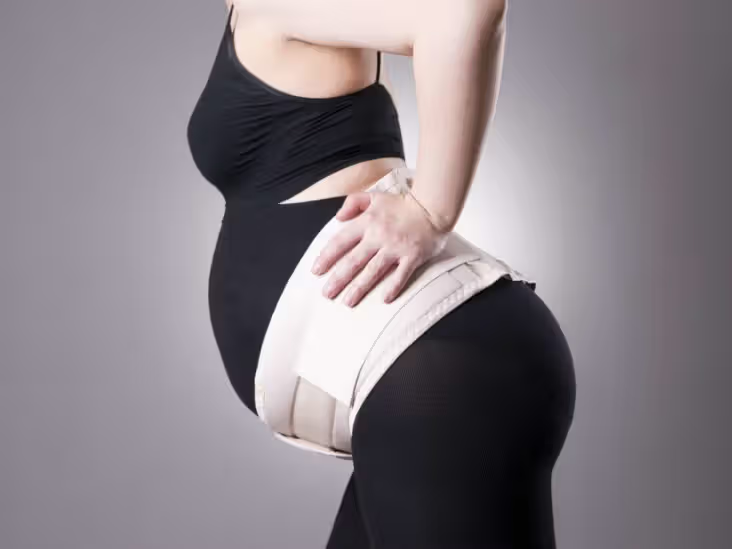
- Improves posture and stability: By gently holding the lower torso in better alignment, the belt encourages improved posture. This helps reduce back strain, increases stability, and makes daily activities more comfortable.
Benefits of Using a Pregnancy Support Belt
A pregnancy support belt offers several physical benefits that can make pregnancy more comfortable, especially as the baby grows and the body experiences increased pressure. It is commonly used to reduce pain, improve mobility, and support daily activities.
1. Relieves Lower Back And Pelvic Pain
One of the main benefits of a pregnancy support belt is pain relief. It helps reduce pressure on the lower back, hips, and pelvic area, which are common sources of discomfort during pregnancy.
2. Improves Posture
As the belly grows, posture often changes and may lead to slouching or strain on the spine. A support belt helps gently align the body, encouraging better posture and reducing unnecessary stress on the back muscles.
Recommended: When Is It Too Late to Wear Postpartum Belly Wrap?
3. Supports Daily Movement And Activity
The belt makes it easier to walk, stand, and perform light activities by reducing fatigue and strain. This is especially helpful for pregnant women who remain active or have physically demanding routines.
4. Reduces Pressure on Abdominal Muscles And Ligaments
It helps ease the stretching and pressure on abdominal muscles and ligaments, including the round ligaments, which can cause sharp or sudden pain during movement.
5. Provides Stability And Balance
By supporting the lower torso, the belt improves overall stability and balance. This can help reduce the risk of discomfort while moving around, especially in the later stages of pregnancy.
Types of Pregnancy Support Belts
Pregnancy support belts come in different designs, each offering a specific level of support depending on comfort needs, stage of pregnancy, and daily activity level. Understanding the types can help you choose the most suitable option.
1. Belly Band
A belly band is a simple elastic band worn around the lower abdomen. It provides light support and is often used in early pregnancy or for mild discomfort. It is also popular for helping women continue wearing pre-pregnancy clothes by covering unbuttoned pants.
2. Full Support Maternity Belt
This type offers stronger support by wrapping around both the lower back and abdomen. It helps distribute weight more evenly and is ideal for women experiencing moderate to severe back or pelvic pain, especially in the second and third trimesters.
3. Maternity Belt with Shoulder Straps
This design provides maximum support by including shoulder straps in addition to abdominal and back support. It helps reduce pressure on the lower body and is often recommended for women with significant discomfort or those carrying multiples.
4. Postpartum Support Belt
Although mainly used after delivery, this belt is often grouped with pregnancy support belts. It helps support abdominal muscles after childbirth, assists in posture correction, and provides gentle compression to aid recovery.
5. Velcro Adjustable Wrap Belt
This type uses strong Velcro straps for easy adjustment and customized tightness. It allows the wearer to control the level of support throughout the day and is popular for its flexibility and ease of use as the belly grows.
Recommended: Best Clothes to Wear Postpartum After a C-Section
How to Choose the Best Pregnancy Support Belt
Choosing the right pregnancy support belt is important for comfort, safety, and effective support during pregnancy. Different belts offer different levels of support, so selecting the right one depends on your body needs and daily activities.

- Level of support needed: Choose a light belly band for mild discomfort or a stronger full support belt if you experience back or pelvic pain.
- Size and adjustability: Pick a belt that can be adjusted as your belly grows, preferably with Velcro straps or flexible fastening.
- Comfort and material: Go for soft, breathable, and skin-friendly fabric to avoid irritation and ensure comfort during long hours of use.
- Stage of pregnancy: Light belts work better in early pregnancy, while more supportive belts are best for the second and third trimesters.
- Daily lifestyle needs: If you are active or stand for long periods, choose a firm support belt; for occasional use, a lighter option is enough.
- Medical advice: If you have severe pain or a high-risk pregnancy, consult a healthcare professional before choosing a belt.
Recommended: Can You Get Pregnant With One Fallopian Tube And One Ovary?
When and How to Wear a Pregnancy Support Belt
A pregnancy support belt is usually most helpful from the second trimester, when the belly begins to grow more and the body starts experiencing extra strain on the lower back, hips, and pelvis. It can also be worn in the third trimester, especially during activities that involve standing, walking, or doing light household tasks that may increase discomfort.
To wear it properly, place the belt under the belly so it gently lifts and supports the abdomen. Wrap it around the lower back and secure it snugly, ensuring it feels supportive but not too tight. The goal is to provide comfort and stability without restricting breathing or movement.
It is best to wear the belt for a few hours at a time during active parts of the day rather than continuously. Taking breaks is important to avoid over-dependence and discomfort. If any pain, pressure, or irritation occurs, the belt should be adjusted or removed immediately.
Tips for Getting the Best Results
Using a pregnancy support belt correctly can make a big difference in comfort and effectiveness during pregnancy. To get the best results, it is important to combine proper usage with healthy habits that support your body.
- Wear the belt during active periods such as walking, standing, or doing light chores to reduce strain on your lower back and abdomen.
- Ensure the belt is properly fitted so it feels supportive but not too tight, allowing comfortable breathing and movement.
- Take regular breaks from wearing the belt to prevent over-reliance and allow your muscles to stay active.
- Combine the use of the belt with gentle prenatal exercises to strengthen your core and improve overall stability.
- Maintain good posture while sitting, standing, and walking to enhance the support provided by the belt.
- Choose breathable, comfortable materials to prevent skin irritation and ensure all-day comfort.
- Follow your healthcare provider’s advice, especially if you have any pregnancy complications or persistent pain.
Conclusion
A pregnancy support belt can be a helpful tool for many expectant mothers by providing relief from back pain, improving posture, and making daily activities more comfortable. When chosen correctly and used properly, it can offer valuable support during the second and third trimesters when the body experiences the most physical strain.
However, it is important to remember that a support belt is not a replacement for healthy habits such as proper posture, gentle exercise, and regular rest. It works best when combined with these practices to support overall comfort and well-being during pregnancy.
Ultimately, the best results come from selecting the right type of belt for your needs, wearing it correctly, and listening to your body throughout the pregnancy journey.